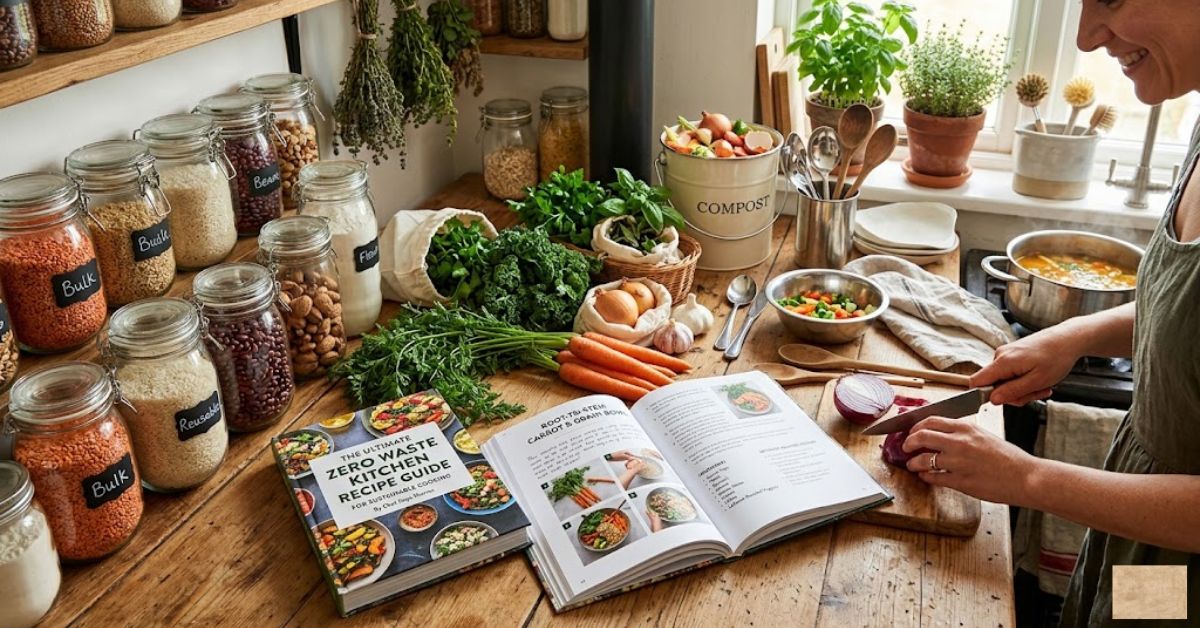
most dad and mom hate tossing wilted greens or peels into the bin. It piles up, feels incorrect, yet solving it isn’t always obvious. Cooking scraps into good meals often seems tricky, time-heavy. A shift happens when old bits get new purpose – suddenly, dinner uses what was headed for trash. Ideas shape how we save, reuse, rethink meals without fuss.
Start here if you want meals that taste good without tossing bits of food. Picture banana peels turning into something sweet instead of landing in the bin. Carrot greens become bright sauces, not trash. Each dish nudges habit change without loud claims or grand promises. Try a curry where nothing gets left behind – stems, skins, ends, all useful. These aren’t trends, just ways to cook with more sense. Flavors stay bold even when scraps do the work. The kitchen runs quieter when less goes wrong. Waste slips away when clever steps take over.
Read out this Blog: 16 Healthy Recipes for a Balanced Diet
Benefits of Sustainable Cooking
Something changes when the kitchen wastes drop. Money sticks around if meals travel further through tiny tweaks. Broccoli stems, carrot tops – using them flips what dinner means in your head. Leftover bits? They stop being garbage once you get used to reimagining them. Choices made today quietly shape what ends up on the plate tomorrow.
Turns out skipping waste in the kitchen nudges you toward better food choices. Meals made at home tend to lean on vegetables, skip heavy processing, bring in whole foods instead. A tweak here or there while prepping dinner shifts how green your routine feels – no overhaul needed.
Essential Zero Waste Kitchen Tips
Start thinking ahead about your meals – it shapes how you shop. Knowing each dish means purchases stay on track. Fewer unplanned stops at the store happen that way. Extra fruits or veggies rot less often when plans are clear. Leftovers? They’re used up instead of becoming mystery items behind the milk.
Start fresh by putting quick-use veggies in a clear bin at eye level. That one small move cuts down on forgotten produce later. rather than tossing wilted vegetables, try preserving herbs upright in a glass of water. any other trick: toss spare chopped bits into the freezer for future dishes.
Zero Waste Curry Recipe
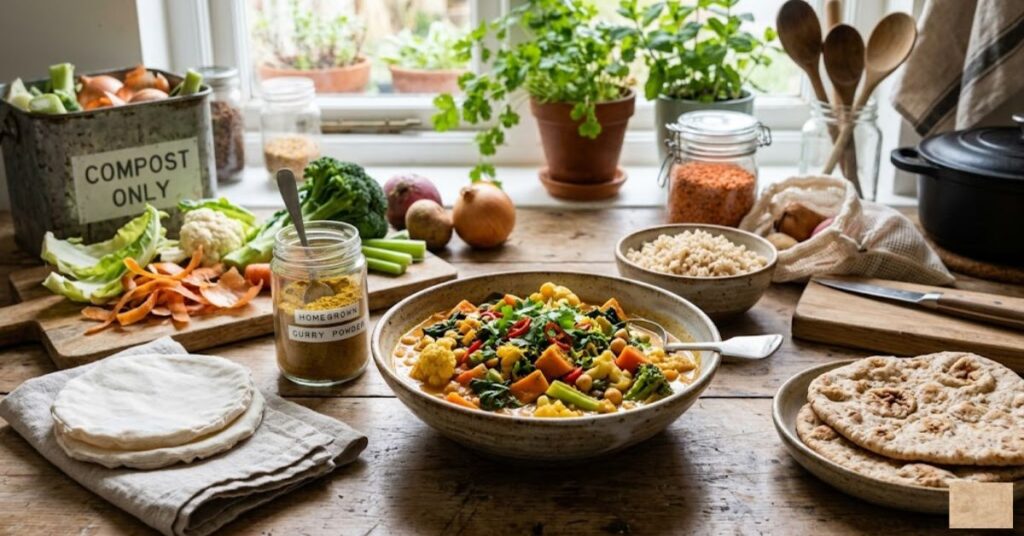
Out of everything that could surprise you in the kitchen, this curry stands tall. Banana peels take center stage alongside cauliflower leaves – unlikely but brilliant. Broccoli stems find new life here, mixed deep with chunks of potato. Flavor builds slowly, layers forming without hurry. For anyone trying to cut down on food scraps, this dish offers real results. No fuss, just good eating from parts usually tossed away.
What stands out is how easily it adapts. Swap one item for another depending on what’s still sitting around at home. This fits well into meals that make sense when feeding a household without waste. New cooks find it useful when using parts of veggies they might otherwise toss.
Ingredients
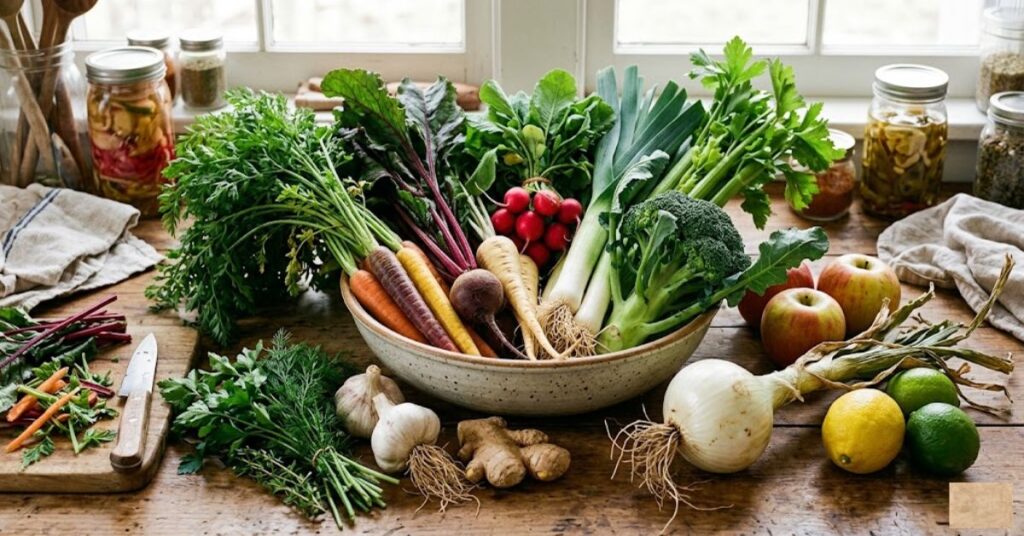
start with coconut cream. Banana peels pass in too – some people skip them, but they soften while cooked. Onions come subsequent, accompanied by cauliflower leaves rather than tossing them out. Broccoli stalks work simply as well if you slice them skinny. Potatoes give heft, even as tomatoes carry a chunk of sharpness. Garlic is going in early for depth. blend in curry powder as soon as the oil heats up – it adjustments everything. A squeeze of lime on the end lifts the complete dish. Oh, and curry leaves? quality contact, even though matters taste satisfactory with out.
those simple elements come together beautifully and create a hearty leftover vegetable curry with minimum waste.
Prep Method
Start by chopping the potatoes, broccoli stems, cauliflower greens, tomatoes. Slice the banana skins into narrow strips. Soften onions in oil over heat before stirring in garlic, curry seasoning, spices from the curry plant.
After that, toss in the vegetables along with enough water to fully submerge everything. Let it cook at a low bubble for roughly half an hour or a bit longer. Finish off with a splash of lime to lift the flavors – serve warm alongside rice or bread.
Tips for Using Vegetable Scraps
Vegetable scraps often deliver greater taste than humans assume. Broccoli stalks add crunch, cauliflower leaves end up smooth in soups, and potato peels crisp up beautifully within the oven.
if you’re new to the way to cook dinner with vegetable scraps, start small. add one leftover element to acquainted food first. over the years, the usage of scraps turns into 2d nature.
Banana Peel Caramel Sauce
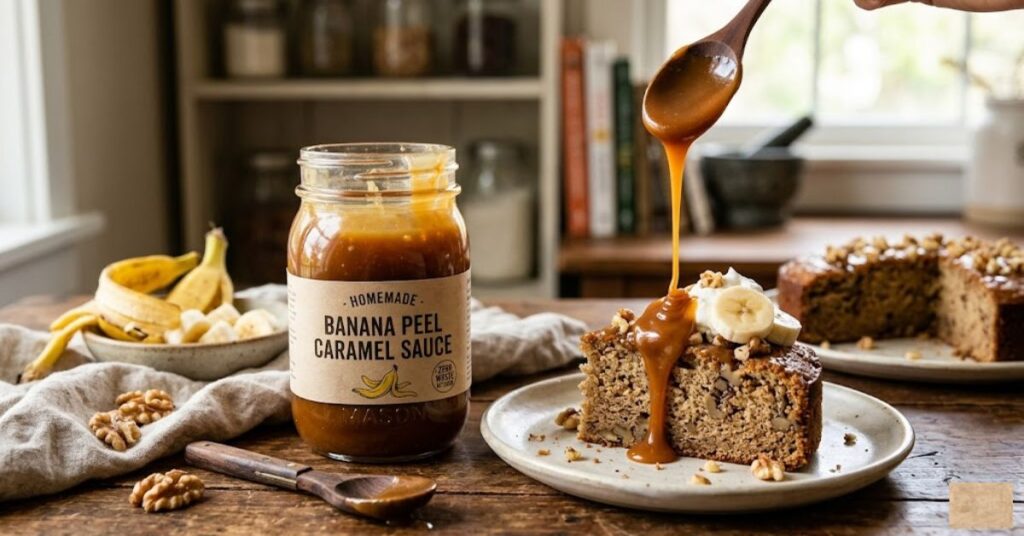
Banana peel recipes sound uncommon in the beginning, but this sweet sauce surprises almost all and sundry who attempts it. The peels upload depth and a diffused fruity taste that works perfectly with brown sugar.
This recipe is likewise a smart way to create homemade caramel sauce while lowering natural waste. instead of tossing peels inside the bin, you turn them into some thing wealthy and delicious.
Ingredients
You’ll want banana peels, brown sugar, and water. That’s it. Simple ingredients often create the best upcycled food recipes.
Prep Method
begin with the aid of reducing up the banana skins into small pieces. Toss the ones bits into a pot with sugar, letting them melt and turn golden brown. about ten minutes later, pour a few water into the combination and preserve simmering. as soon as it’s all cooked down, run the whole thing via a decent mesh strainer after giving it a whirl in the blender.
The result is a silky banana peel caramel sauce that tastes fantastic over pancakes, oatmeal, or ice cream.
Storage Tips
Kept cold, the sauce fits best in a sealed jar inside the fridge. Around seven days is typical before it loses freshness. When you want it later, spoon some into ice cube trays – frozen bits work well on sweets or morning toast. bloodless storage keeps flavor sharp, geared up while needed.
Coconut Chickpea Curry

image this: a dish so snug it looks like your favored sweater on a rainy day. This coconut milk curry wraps you up in creamy liquid warmth. Spices hum softly inside the background, including intensity without shouting.
Chickpeas convey heartiness, at the same time as veggies add color and crunch. One pot contains the complete meal – clean cleanup after. The combo of elements makes every chunk experience acquainted but surprising. comfort shows up here, quiet and unassuming, in every spoonful.
Leftover vegetables? They in shape right into this curry without any fuss. Busy night? This dish slips together fast using what’s already around. New to cooking? It skips waste while teaching basics gently.
Ingredients
acquire olive oil, onions, garlic, curry powder, turmeric, ginger, coconut milk, diced tomatoes, cauliflower, red peppers, chickpeas, basil, cilantro, and non-compulsory cashews.
The aggregate creates a creamy vegan curry recipe complete of flavor and texture.
Instructions
Onions meet garlic in the pan, cooking until their smell fills the air. Next comes curry powder, turmeric joining ginger, stirred slowly into the mix. Coconut milk flows in, followed by tomatoes dropped gently into place. Heat drops low once everything settles into a soft, steady bubble.
After that, add cauliflower along with peppers into the pan. Cook everything until soft, at which point mix in the chickpeas and fresh herbs. Warmth matters – serve alongside jasmine or basmati rice to complete a balanced, planet-friendly dish idea.
Serving Suggestions
This dairy-loose curry pairs particularly with rice, naan bread, or roasted greens. you could even spoon leftovers into wraps for lunch the next day.
for added texture, top the curry with toasted cashews or glowing herbs proper earlier than serving.
Storage and Freezing Tips
store leftovers in sealed packing containers for up to five days. The curry also freezes well for up to 2 months, making it ideal for 0 waste meal planning.
Crispy Cauliflower Scrap Tots

the majority throw away cauliflower scraps with out questioning two times. however, the ones leftover bits can end up crispy baked potato children with little or no effort.
those homemade children are fun, finances-friendly sustainable food that paintings as snacks, appetizers, or aspect dishes. youngsters commonly love them too, that’s always a nice bonus.
Ingredients
You’ll want processed cauliflower scraps, one baked potato or candy potato, almond flour, cheese, egg, and seasoning.
This recipe turns odds and ends into crispy comfort meals with almost no waste.
Baking Instructions
blend all components in a food processor till blended. shape the aggregate into small tots and location them on a baking tray.
Bake at 4 hundred°F for about 10 minutes, turn cautiously, and keep baking until golden brown and crispy.
Healthy Snack Tips
Serve those tots with yogurt dip, ketchup, or spicy sauce. additionally they make incredible meal prep recipes because you may refrigerate or freeze them easily.
Anything Goes Frittata
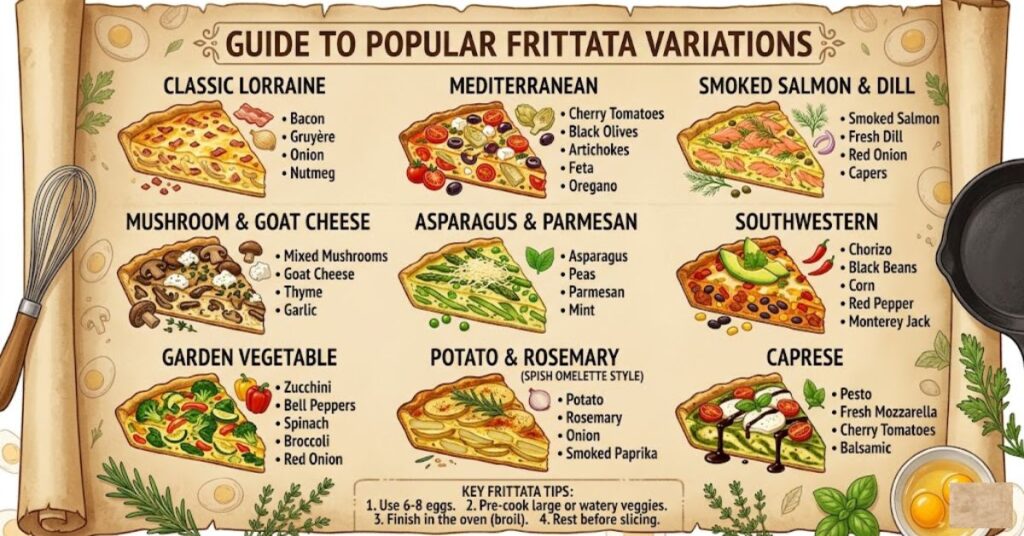
A Leftover bits find a second life when eggs step in. Think of it as dinner’s reboot button – no fuss, just results. Got odds and ends hiding in the fridge. They belong here now. Cooked veggies tag along nicely. So do cold slices of meat. Cheese makes an appearance, quiet but essential. Herbs stir things up at the last moment. This isn’t fussy cooking. It moves fast, fills plates, solves problems.
This section of The Ultimate Zero Waste Kitchen Recipe guide proves that sustainable cooking doesn’t need strict rules. occasionally the quality meals come from the use of whatever you have already got.the use of what you’ve got handy can every now and then produce the pleasant meals.
Ingredients
common fillings encompass potatoes, onions, mushrooms, asparagus, sausage, vegetables, and cheese. however, almost any leftover vegetables paintings beautifully.
the use of leftovers in egg dishes is one of the easiest methods to reduce meals waste at domestic.
Egg Mixture
Whisk eggs with milk, salt, pepper, and herbs until smooth. in case you skip milk, whisk the eggs extra well to maintain the feel fluffy.
The aggregate acts like a clean canvas for creative leftover recipes.
How to Bake a Frittata
Roast your veggies first for better taste and texture. Then grease your baking dish, upload fillings, and pour the egg combination over the top.
Bake till the eggs are more often than not set and slightly golden round the rims.
How to Know When a Frittata Is Done
supply the pan a gentle shake. If the center nevertheless jiggles closely, it wishes more time. A completed frittata have to experience set with best a moderate wobble within the middle.
Popular Frittata Variations
exclusive elements create completely unique flavors. That’s why frittatas are best for sustainable meal thoughts and conscious ingesting behavior.
you can customize them relying on the season, leftovers, or private taste choices.
Spring Frittata
glowing asparagus, spring onions, spinach, and gentle cheese create a slight and clean asparagus frittata ideal for hotter months.
Mexican Frittata
Black beans, tomatoes, scallions, and spicy cheese blends offer this model bold taste and additional protein.
Spicy Sausage Frittata
spicy sausage, peppers, onions, and pepper jack cheese create a hearty breakfast or dinner option.
Breakfast Pie Frittata
Potatoes, Beaverbrook, sausage, and vegetables turn this variation into critical comfort meals.
Greens and Herb Frittata
Kale, spinach, chard, and sparkling herbs create a wholesome frittata recipe packed with nutrients and shade.
Carrot Top Pesto
Many human beings throw away carrot greens even though they make high-quality domestic made pesto sauce. Their sparkling, barely earthy flavor pairs superbly with garlic, olive oil, and nuts.
this is one of the easiest carrot pinnacle pesto recipes for novices because it requires very little coaching. Plus, it’s a clever answer for anybody thinking the way to use carrot tops in cooking.
Ingredients
You’ll want carrot leaves, basil, toasted pine nuts, garlic, dietary yeast or Parmesan, olive oil, salt, and pepper.
those substances combination right into a bright and flavorful carrot veggies pesto ideal for pasta, sandwiches, or roasted vegetables.
Method
begin by means of pulsing the carrot tops within the gadget. once the relaxation move in, hold going until it’s even and flows like soft clay.
must it feel too thick, add a chunk of olive oil to clean it out. Each taste check matters – tiny changes shift the whole flavor.
Vegan and Dairy-Free Options
dietary yeast works wonderfully in location of Parmesan cheese. nutritional yeast works wonderfully in place of Parmesan cheese. It creates a rich, savory flavor even as keeping the pesto absolutely plant-primarily based.
Best Ingredients for Root-to-Stem Cooking
every bit of your veggies can find cause past the trash bin. From leafy carrot crowns to tough broccoli cores, nothing needs to go unused. Think twice before tossing those beet greens – they pull flavor like few others. Even cauliflower leaves hold texture worth saving. Herb stems might surprise you when given space in a dish.
Start with stems when you cook, cut down on trash that way. Because of this, meals cost less but still taste strong. Taste does not suffer, money stays longer.
Creative Ways to Use Leftover Vegetables
Leftover veggies don’t want to come to be compost right now. you could turn them into soups, curries, omelets, casseroles, smoothies, and fried rice.
In truth, a number of the quality recipes using leftover greens appear by means of twist of fate. A handful of spinach right here and half of an onion there can rework into pretty delicious meals.
Sustainable Meal Prep Ideas
Meal prep becomes plenty easier whilst you prepare components by using priority. Use sensitive produce first while saving robust greens for later within the week.
you could moreover freeze chopped veggies, herbs, sauces, and cooked grains for destiny home made recipes to reduce waste. this protects every time and money at some point of busy weeks.
How to Reduce Food Waste at Home
start by using checking your fridge earlier than grocery buying. Many humans by accident buy duplicates because they forget about what they already have.
every other clever habit involves storing food properly. Herbs very last longer in water, veggies live crisp with paper towels, and leftovers remain more energizing in hermetic containers.
Zero Waste Meal Planning for Beginners
begin small whilst aiming for zero waste to your kitchen.Pick a couple of dishes using similar items now and then. Leftover cooked veggies at night might turn into lunchtime soup later. Sometimes last night’s extras fit right into a morning frittata.
Weeknight cooking feels lighter when meals leave almost nothing behind. Leftovers forestall getting lost in the back of the fridge with the aid of accident.
Eco-Friendly Kitchen Habits
Little shifts in how you operate your kitchen would possibly upload up. Glass jars get a second life when saved instead of tossed. Food bits once thrown out now feed soil if composted. Seasons guide smarter choices on what to cook. Each step, done again and again, shapes better ways with food.
Little by little, daily habits start shaping up without much thought. This is when living with less waste begins to fit like an old jacket – easy, worn in.
FAQs
are you able to honestly devour banana peels?
yes, banana peels are edible and paintings properly in sauces, curries, smoothies, and baked recipes while cooked nicely.
What greens artwork high-quality for root-to-stem cooking?
Carrots, broccoli, cauliflower, beets, radishes, and herbs are awesome choices for root-to-stem recipes.
Is it feasible to put together dinner zero waste at home?
begin small by using the usage of leftovers creatively, freezing extra produce, and making plans food before grocery purchasing.
Are zero waste recipes budget friendly?
Absolutely. the use of food scraps and leftovers allows reduce grocery fees whilst creating home made sustainable food.
How lengthy do leftover zero waste meals final?
maximum cooked food live sparkling for 3–five days in hermetic containers while refrigerated well.
Conclusion
Most days, it’s not about getting everything right. Choosing what goes on your plate with care comes first – then tossing out fewer bits along the way. Bits of celery tops tucked away here, last night’s rice remade there – tiny things add up when done again and again. What matters grows quietly, without fanfare.
Start mixing things up using what’s inside The Ultimate Zero Waste Kitchen Recipe guide – meals taste good, budgets stretch further, daily routines stay calm. When imagination grows around food scraps and leftovers, green choices begin fitting into ordinary moments like old gloves.